
GlobalVisaGuide.co
Complete Guide for Travelers
Japan is unlike any other country on earth. It is a place where century-old temples sit silently beside neon-lit skyscrapers, where bullet trains slice through snow-capped mountain ranges, and where every meal — from a humble bowl of ramen to an elaborate kaiseki dinner — is treated as a work of art. Japan consistently ranks among the world’s top travel destinations, and for good reason.
Whether you are drawn by the iconic cherry blossoms of spring, the vibrant autumn foliage of Kyoto, the thrilling ski slopes of Hokkaido, or the electric buzz of Tokyo’s Shibuya Crossing, Japan has something to offer every type of traveler. It is safe, clean, efficient, and deeply welcoming to foreign visitors. But before you pack your bags, understanding Japan’s entry requirements and visa process is the most important step you need to take.
This comprehensive guide covers everything you need to know — from visa exemptions and application procedures to required documents, processing times, and insider tips to help make your trip to Japan as smooth as possible.
Japan has one of the most extensive visa exemption programs in the world. Citizens of over 68 countries and territories can enter Japan without a visa for short-term stays. However, whether you need a visa depends entirely on your nationality and the purpose of your visit.
If you hold a passport from one of the following regions or countries, you may enter Japan without a visa for tourism or business purposes, typically for 90 days or less:
Citizens of countries not on the visa-exemption list — including Pakistan, India, and many African and South Asian nations — are required to apply for a visa before traveling to Japan. The type of visa required depends on the nature and duration of the visit.
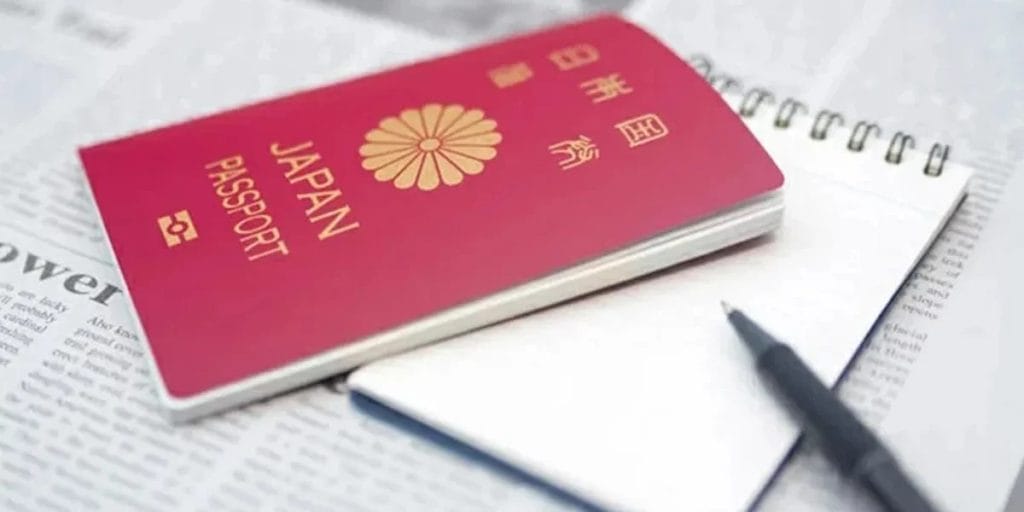
Japan’s visa system is structured around the purpose of your stay. Choosing the correct visa category is essential — applying for the wrong type can result in delays or rejection. Below are the most common visa categories available to international travelers:
The most common visa for international visitors. It is designed for individuals who wish to visit Japan for leisure, sightseeing, visiting family or friends, or attending cultural events. A Tourist Visa is typically valid for a single or double entry, with a stay of up to 90 days. It does not permit any paid work or business activity on Japanese soil.
For individuals traveling to Japan for meetings, conferences, negotiations, training, or other professional activities that do not involve receiving payment from a Japanese source. A Business Visa does not authorize employment in Japan.
Required for those enrolling in long-term courses, language schools, universities, or vocational institutions in Japan. The Student Visa is typically valid for the duration of the academic program and may allow limited part-time work (up to 28 hours per week with permission).
Japan offers a range of work-related visas depending on the type of employment: Engineer/Specialist in Humanities/International Services, Skilled Labor, Intra-company Transferee, and more. Each has specific eligibility requirements. In 2024, Japan also introduced the ‘Specified Skilled Worker’ visa (SSW) to address labor shortages in designated industries.
Available to young adults (typically aged 18–30) from specific countries including Australia, Canada, Ireland, the UK, South Korea, and others. It allows participants to work and travel in Japan for up to one year. This visa is an excellent option for those seeking a longer immersive experience in Japan.
Required for travelers who are passing through Japan and plan to leave the international terminal. Most visa-exempt nationals do not need a transit visa, but nationals of certain countries must apply for one even for short layovers.
In a major development for international travelers, Japan has officially introduced a new electronic visa (e-Visa) system in 2026. This digital system allows eligible applicants to apply for a Japan visa entirely online — without visiting an embassy or submitting physical documents by hand.
The Japan e-Visa is currently available to nationals of select countries and for specific visa categories, including the tourist and business short-stay visas. The system is designed to significantly reduce processing times and eliminate the need for embassy visits, making Japan more accessible than ever before.
Global Visa Guide will continue to update this section as Japan expands the e-Visa program to additional nationalities and visa categories. Bookmark this page to stay current with the latest changes.
Whether you apply in person at a Japanese embassy or through the new online e-Visa portal, the documentation requirements are largely the same. Having all your documents in order before you apply is the single most important factor in ensuring a smooth and successful application.
Additional documents may be required depending on your nationality, personal circumstances, or the specific visa category you are applying for. Always check the requirements on the official website of the Japanese embassy in your country.
Japan visa processing times vary by embassy location, visa category, and time of year. As a general guideline:
It is strongly recommended to apply at least 4 to 6 weeks before your intended travel date, especially during peak travel seasons (March–May for cherry blossoms and October–November for autumn foliage), when processing times may be longer due to high application volumes.
Japan visa fees vary by nationality and visa type. In most countries, the standard single-entry tourist visa fee is approximately USD 15–30, while multiple-entry visas can cost more. Some nationalities may be subject to reciprocal fee arrangements. The e-Visa may carry a separate service or processing fee. Always confirm current fees directly with your local Japanese embassy or consulate, as fees are subject to change.
Japan’s visa approval rates are generally high for well-prepared applicants. Rejections are most often caused by incomplete applications, insufficient documentation, or weak proof of ties to the home country. Follow these tips to maximize your chances of approval:
Japan is a year-round destination, but each season offers a completely different experience. Understanding the best time to visit based on your interests will help you plan a more enjoyable and memorable trip.
This is Japan’s most iconic season and arguably the most popular time to visit. Sakura (cherry blossoms) bloom across the country from late March through April, transforming parks, riverbanks, and temple grounds into breathtaking pink landscapes. This is peak tourist season — book flights and accommodation well in advance.
Summer in Japan is hot and humid, especially in cities like Tokyo and Osaka. However, it is also the season of spectacular matsuri (festivals), including the famous Gion Matsuri in Kyoto and countless fireworks festivals. Mountain regions and northern Hokkaido offer cooler retreats.
Autumn rivals spring for sheer natural beauty. Koyo (autumn foliage) paints Japan’s mountains and temples in brilliant shades of red, orange, and gold from October through November. Temperatures are comfortable and the crowds, while still present, are more manageable than in spring.
Winter is the least crowded and most affordable time to visit Japan. It is the perfect season for skiing in Hokkaido or Nagano, visiting famous snow temples in Tohoku, or experiencing the peaceful New Year celebrations at Shinto shrines. Tokyo and Kyoto are far less crowded, and accommodation prices are at their lowest.
Japan is a destination that exceeds expectations at every turn. Whether you are visiting for the first time or returning for the tenth, the country has an extraordinary ability to surprise and inspire. The visa process, while it requires preparation, is very manageable when approached correctly — and once you have your visa in hand, one of the world’s greatest travel experiences awaits you.
At Global Visa Guide, our mission is to ensure that no traveler is ever caught off guard by confusing or outdated visa information. All content on our platform is sourced directly from official government portals and embassy updates, and is reviewed regularly to ensure accuracy.
Use our free visa checker tool at the top of this page to instantly see whether you need a visa for Japan based on your nationality, and access our step-by-step application guides tailored specifically to your country of origin.
Safe travels — Japan is waiting for you. 🇯🇵
© 2026 GlobalVisaGuide.co | Content Sourced from Official Government Portals